
.png)
Belize Day in Miramar 2026 Celebrates Culture, Sister City Bond, and Community Impact

On July 11, 2026, Miramar became a gathering place for Belizean pride, Caribbean flavor, family connection, and public service as the city hosted its first Belize Day celebration.
The inaugural event brought together residents, visitors, vendors, students, community leaders, and families with ties to Belize and South Florida. It was more than a cultural festival. Belize Day in Miramar 2026 gave people a chance to celebrate heritage, strengthen civic partnerships, support students in Belize City, and see how cross-border friendships can create real benefits.
At its heart, the day honored a relationship that has been growing since 2024, when Miramar and Belize City established a Sister City partnership. That agreement helped set the stage for a celebration rooted in shared history, practical cooperation, and a strong sense of belonging.

A first celebration with deep community meaning
The first Belize Day in Miramar carried the energy of a homecoming. For Belizean families in South Florida, it created a public space to share food, music, language, and tradition with neighbors. For others, it offered a welcoming introduction to Belizean culture and the close ties between Belize and the South Florida community.
Cultural celebrations matter because they make identity visible. They give elders a place to pass down memories. They give young people a way to see their heritage celebrated outside the home. They also invite people from different backgrounds to connect through everyday joys, such as a plate of food, a song, a dance, or a conversation at a vendor booth.
Belize Day did that in a direct and memorable way. The event centered Belizean culture without turning it into a display behind glass. People could taste it, hear it, ask questions, meet organizers, support vendors, and take part in community service efforts.
The day also reflected Miramar’s broader character. The city has long been home to Caribbean communities, immigrant families, and residents with roots across the Americas. Hosting Belize Day gave that reality a clear civic expression.
The Sister City partnership gave the day a larger purpose
The celebration was closely tied to the Sister City partnership between Miramar and Belize City, established in 2024. Sister City relationships are often described through diplomacy, but their real value shows up in practical, people-centered work.
A strong Sister City bond can support:
Cultural exchange between residents, artists, and community groups
Educational opportunities for students and schools
Service projects that respond to local needs
Business and vendor connections across borders
Civic cooperation between municipal leaders and public agencies
For Miramar and Belize City, the partnership created a framework for ongoing connection. Belize Day turned that framework into a visible community experience.
Rather than existing only as a signed agreement, the Sister City relationship came alive through music, school support, youth presentations, public services, and the presence of local and international vendors. The celebration showed that a city-to-city partnership can reach families, students, entrepreneurs, and everyday residents.
The most meaningful Sister City relationships are not measured only by ceremonies. They are measured by the people who benefit from the connection.
That is what made the inaugural Belize Day stand out. It connected celebration with service.
Food, music, and performances brought Belizean culture to the center
Belizean culture is shaped by many influences, including Creole, Garifuna, Maya, Mestizo, East Indian, and other communities. A public event like Belize Day offered a way to experience that richness through the senses.
Food was one of the main gathering points. Belizean cuisine is often tied to family recipes and regional traditions, and festival settings give those dishes a chance to reach a wide audience. Guests could enjoy the kind of flavors that make Belizean food so loved, from savory staples to sweet treats and refreshing drinks.
Music added another layer. Belizean celebrations often carry the sound of drums, dance rhythms, and Caribbean movement. Live performances and cultural showcases helped create an atmosphere that felt both festive and rooted. They gave performers a platform while giving attendees a chance to learn through movement and sound.
Cultural performances also served a deeper purpose. Dance, dress, music, and storytelling can teach history without turning it into a lecture. They help show how culture survives through practice, not just memory.
For younger attendees, those moments can leave a lasting mark. Seeing culture celebrated onstage and in public spaces sends a clear message: heritage belongs in the present, not only in the past.
Vendors helped connect local talent and international ties
Belize Day also created space for local and international vendors. That detail matters because vendors are often cultural ambassadors in their own right.
A vendor booth can introduce visitors to handmade goods, specialty foods, clothing, art, books, wellness items, travel information, or community services. It can also help small businesses build relationships beyond a single transaction.
For Belizean entrepreneurs and South Florida vendors, the event offered a platform to reach people who already care about Belize and Caribbean culture. For attendees, it created a marketplace with a personal feel. Instead of browsing anonymous products, guests could meet the people behind the work.
The international vendor presence also fit the Sister City vision. Economic and cultural links often grow through small points of contact. A conversation at a booth can lead to a future collaboration, a school connection, a charitable project, or a new customer base.
Events like this can be especially helpful for small and family-run businesses. They give vendors more than foot traffic. They give them context, community, and a chance to tell their story.
Youth and STEM presentations pointed toward the future
One of the strongest parts of Belize Day was its focus on young people. The event included youth and STEM presentations, connecting cultural celebration with education and future opportunity.
That mix is valuable. Cultural pride and academic growth should not be treated as separate worlds. Students need spaces where identity, curiosity, and ambition can sit side by side.
STEM presentations can help young people practice communication, problem-solving, and creativity. They also allow families and community members to see what students are learning and building. In a festival setting, that exposure can make science and technology feel more approachable.
For students, presenting in front of a community audience builds confidence. It teaches them to explain ideas clearly, answer questions, and take pride in their work. For younger children watching, it can spark interest. A robotics display, science project, or hands-on demonstration may be the first moment a child sees STEM as something they can do.
Including youth programming also sent a message about Belize Day’s purpose. The event was not only about honoring legacy. It was also about preparing the next generation to lead, create, and serve.
Community service made the celebration practical
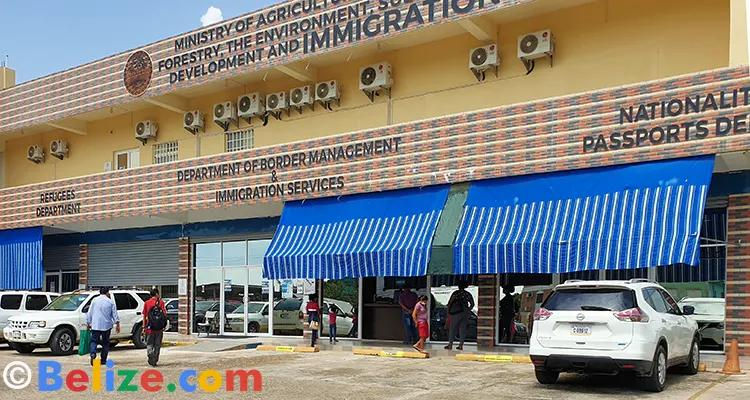
The inaugural Belize Day stood out because it did not stop at entertainment. It also included community service initiatives, including mobile services from Belize’s Immigration Department.
That kind of access can make a real difference for diaspora communities. Government services often require travel, time off work, paperwork, and careful planning. When mobile services come directly to a community event, they can reduce some of those barriers.
For Belizeans living in South Florida, immigration-related services may help with questions, applications, document needs, or general guidance. A community festival setting can make the process less intimidating because people are already gathered in a familiar and supportive environment.
Service initiatives also helped frame Belize Day as a day of connection in the fullest sense. It connected people to culture, but also to resources. It connected families to public agencies. It connected celebration to practical support.
That structure is what made the event feel complete. A strong community event should give people something to enjoy and something to carry forward. Belize Day did both.
The Stella Maris School Uniform Initiative showed service in action
Among the most meaningful efforts connected to Belize Day was the Stella Maris School Uniform Initiative, which raised funds for students in Belize City.
School uniforms may seem like a simple need, but for many families, they can carry real financial weight. Uniform costs can affect a student’s readiness for school and a family’s ability to manage back-to-school expenses. Supporting uniforms is a practical way to help students begin the school year with dignity and confidence.
The initiative also reflected the best spirit of the Sister City partnership. It connected people in Miramar with a specific need in Belize City. The support was not abstract. It went toward students and families.
That kind of project matters because it gives community generosity a clear direction. People are often willing to help when they understand the need and trust that their support will reach a meaningful cause. By raising funds for Stella Maris students, Belize Day turned goodwill into action.
It also reminded attendees that cultural pride and social responsibility can reinforce each other. Celebrating Belize includes caring about Belizean children, schools, and families. The uniform initiative gave the day a lasting impact beyond the music and food.
Why the first Belize Day matters beyond one event
First events are important because they set a tone. The inaugural Belize Day in Miramar showed what this celebration can become in future years.
It can be a place where Belizean families gather across generations. It can be a platform for artists, performers, and food vendors. It can support students through education and service projects. It can help small businesses reach new audiences. It can give the Sister City partnership between Miramar and Belize City a living, public form.
The event also gave non-Belizean residents a way to build understanding. Culture becomes easier to respect when people can experience it through real relationships. A neighbor’s food, a student’s presentation, a performer’s dance, or a shared service project can open doors that formal programs alone cannot.
That is why Belize Day matters. It gathered people around joy, but it also pointed toward responsibility. It showed how celebration can become a tool for connection.
A celebration with roots and reach
Belize Day in Miramar 2026 brought together the best parts of a community celebration: culture, food, music, family, youth, service, and a shared sense of purpose.
The July 11 event honored Belizean heritage while giving the Miramar and Belize City Sister City partnership room to grow in public view. It showed how a civic relationship established in 2024 can support real projects, from student-focused fundraising to mobile public services.
The Stella Maris School Uniform Initiative gave the day one of its clearest examples of impact. It reminded everyone that celebration can meet a need, and that community pride can become practical support.
As an inaugural event, Belize Day set a strong foundation. It celebrated where people come from, strengthened where they are, and helped build a bridge to what comes next.


_edited.png)
Comments